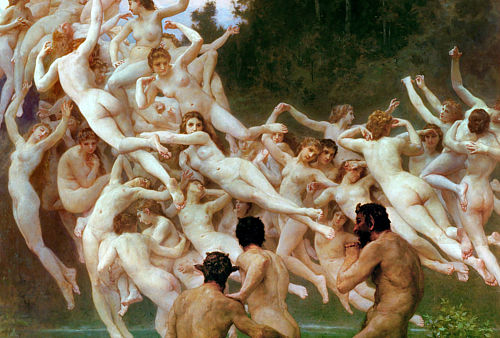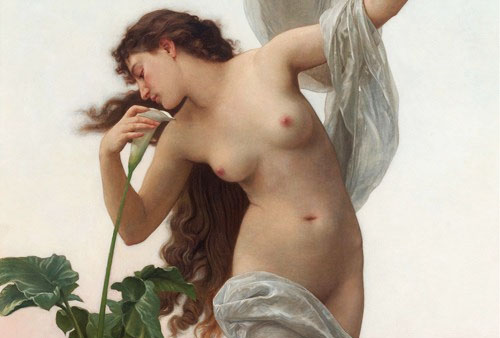


The story of Lucifer, the most beautiful angel in the heavens, has fascinated humanity for centuries. It is a tale that crosses the boundaries between mythology, theology, and philosophy, describing the terrifying power of a light that, by its own will, turns into darkness. This myth is not merely a chronicle of betrayal and pride; it is a perennial warning about the consequences of immoderate desire and the fragility of perfection when it encounters hubris.
Lucifer was not created as a villain, but as the pinnacle of angelic creation. His fall represents the archetype of the tragic hero who, possessing everything, loses it all due to the ambition to be the origin rather than the reflection of divine glory. This transition from "Bringer of the Dawn" to "Prince of Darkness" has served as a mirror for the darkest human ambitions throughout history.
The Angel of Light: Perfection Before Chaos
At the dawn of creation, according to Abrahamic traditions, God formed the angels as beings of pure energy and will, destined to guard the cosmic order. Among the celestial legions, Lucifer stood out for an intelligence and power that eclipsed his brothers. His name, derived from the Latin *Lux* (light) and *Ferre* (to bring), marked him as the morning star, the one who precedes total illumination.
Lucifer led the celestial choirs; his voice was perfect harmony and his wings, according to poetic descriptions, reflected every shade of the divine spectrum. For eons, he fulfilled his role with a devotion that seemed unshakable. However, in the stillness of eternity, the seed of *hybris* or pride germinated. Contemplating his own beauty, Lucifer forgot that his light was borrowed. He began to question the hierarchy: Why should such a magnificent being prostrate himself before another? Self-admiration transformed into the need to be worshiped, marking the beginning of the universe's first schism.
The Rebellion of Pride: Contempt for the Human
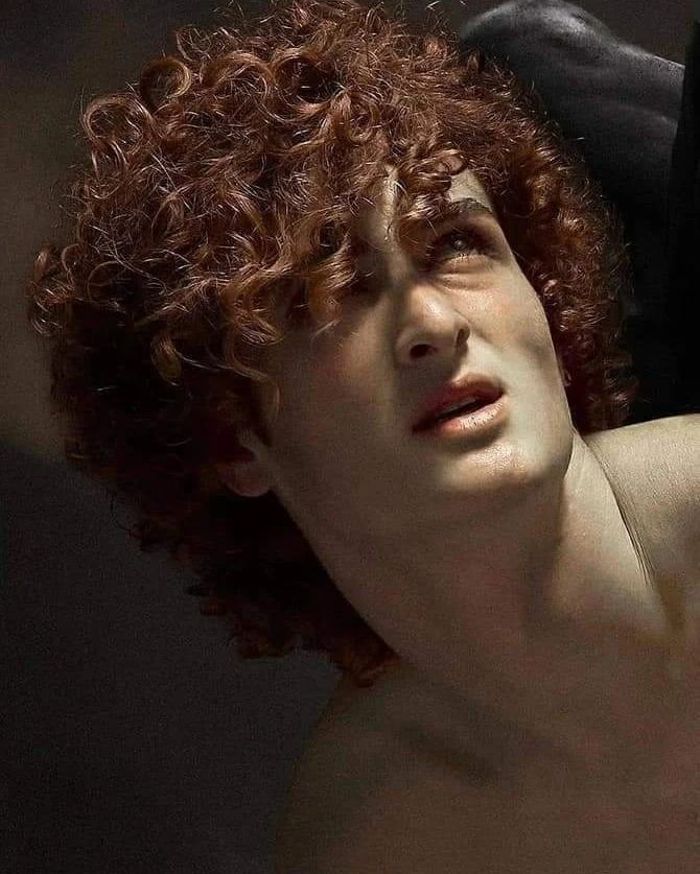
The final breaking point, according to many mythical accounts, occurred with the creation of the human being. When God presented Adam and Eve—creatures of clay, fragile and limited—and ordered the angels to show them respect, Lucifer felt deep indignation. To him, the Creator had committed an error in judgment by granting His favor to inferior creatures who walked upon the dust.
That contempt turned into a thirst for rebellion. Lucifer no longer saw God as a supreme father, but as an unjust monarch. With powerful rhetoric, he began to sow doubt among his brothers. He spoke to them of freedom, of a kingdom where they would have to serve no one but their own will. His charisma was such that he managed to convince a third of the celestial hosts. The eternal peace of the heavens shattered, giving way to the first war of existence.
The Battle in the Heavens and the Eternal Duel
The celestial war was a cataclysm of metaphysical dimensions. It was not fought with steel, but with the very essence of being. The Archangel Michael, whose name means "Who is like God?", took command of the loyal forces. The conflict was not only physical but a struggle between the humility of service and the tyranny of the ego.
In the center of the battle, Michael and Lucifer faced each other in a duel that has been portrayed by artists of all eras. Lucifer fought with the fury of one who feels betrayed, while his wings began to lose their pearly luster, turning a ashen gray. Finally, the power of divine order prevailed. With a definitive blow, Michael expelled the rebels. Lucifer was cast out from the purest heights into the deepest abyss, a fall that, according to poets, lasted nine days and nine nights.
The Eternal Fall: From Glory to Fire
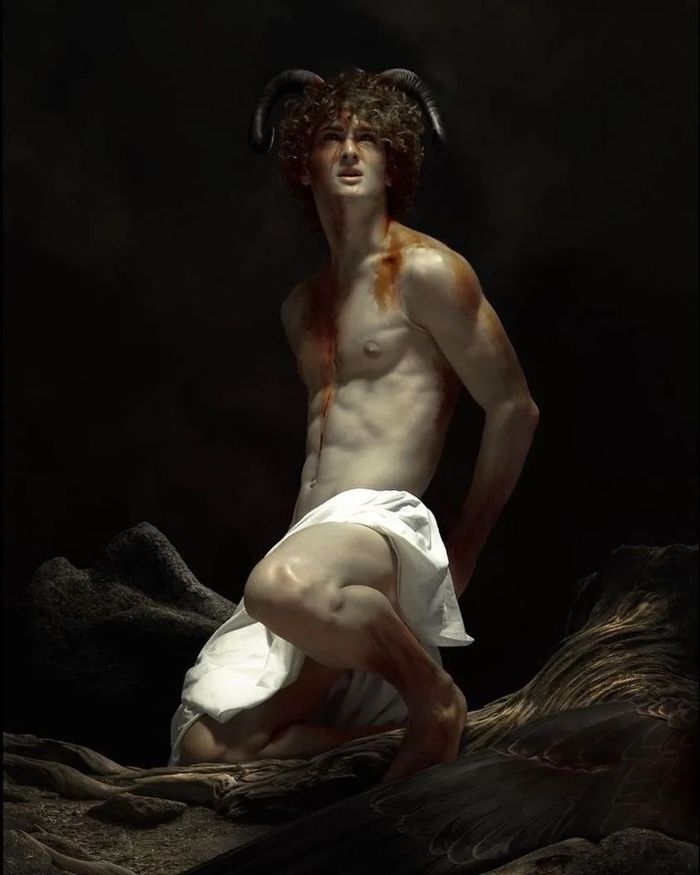
Lucifer's descent was a traumatic transformation. As he passed through the celestial spheres toward the void, the friction with material reality burned his spiritual essence. His wings, once majestic, became carbonized; his face, which was the epitome of beauty, contracted into a mask of pain and eternal hatred. Upon reaching the bottom of the abyss, the Light Bringer became Satan, the Adversary.
Hell was not created merely as a place of physical punishment, but as a state of mind: the total absence of God's presence. There, Lucifer established his throne of shadows. His tragedy lies in his memory; he is the only inhabitant of the abyss who perfectly remembers what the light was like, which turns his existence into a torment of nostalgia and resentment. He no longer seeks to rule heaven, but to corrupt God's work on earth as a form of infinite revenge.
Lucifer's Legacy in Art: The Vision of Federico Ferro
Throughout the centuries, artists such as Doré, Blake, and Milton have attempted to capture this fall. However, in the 20th century, the Italian artist Federico Ferro offered one of the most stark and psychological interpretations of the myth. Through his series "Lucifer Fallen" and "Lucifer Condemned," Ferro moves away from traditional demonic caricature to explore the tragic humanity of the angel.
In the "Lucifer Fallen" series, Ferro uses violent chiaroscuro to show the angel's body in full descent. We do not see a monster, but a man of athletic and classical beauty whose musculature is in extreme tension, fighting against the gravity of his own sin. Ferro manages to make the viewer feel the acceleration of the fall; vibrant brushstrokes suggest the fire that begins to lick the angel's skin. It is the portrait of absolute failure.
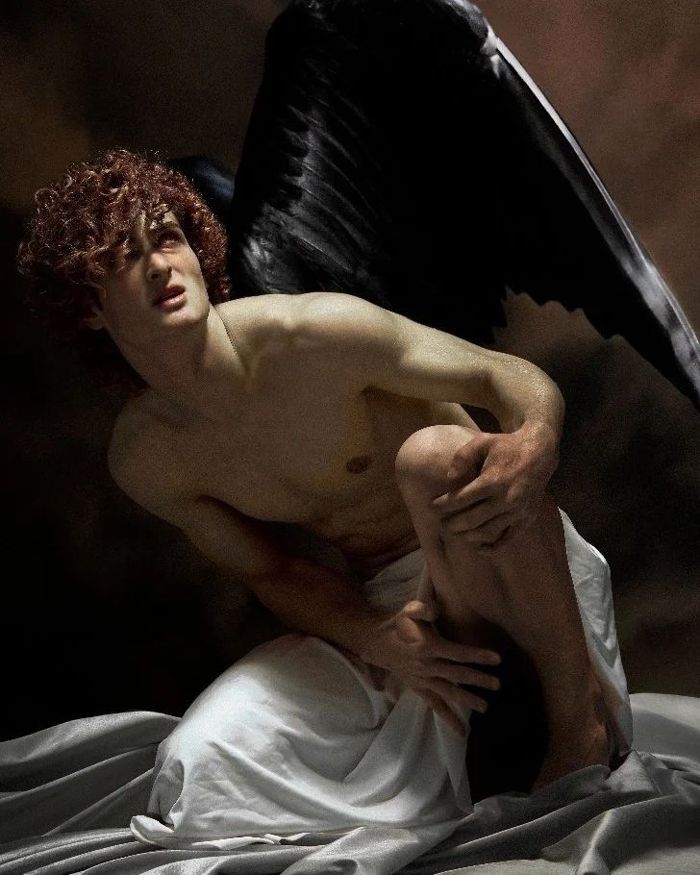
In contrast, in "Lucifer Condemned," the action has ceased. Lucifer is already in the abyss. Ferro depicts him sitting, surrounded by a dense red light that seems to suffocate him. The most shocking part of this work is the expression: there is no unleashed fury, but a frigid melancholy. It is the gaze of someone who has understood that his prison is eternal and that the keys to his cell were forged by his own pride. The fire that surrounds him in Ferro's work is not an external agent, but a projection of his internal burn.
Final Reflection: Lucifer's Mirror
The art of Federico Ferro invites us to see Lucifer not as an external enemy, but as a reflection of our own internal struggles. The fall of Lucifer is the story of the loss of innocence and the cost of blind ambition. Ferro reminds us that beauty and pain are inseparable in the tragedy of existence.
Contemplating these works, we face an uncomfortable question: How many times do we let our own pride push us toward our personal abyss? Lucifer continues to fall in every human decision that prioritizes the ego over compassion. His story remains alive because, as long as the desire for power exists, the myth of the angel who wanted to be God will remain the most powerful warning of Western culture.
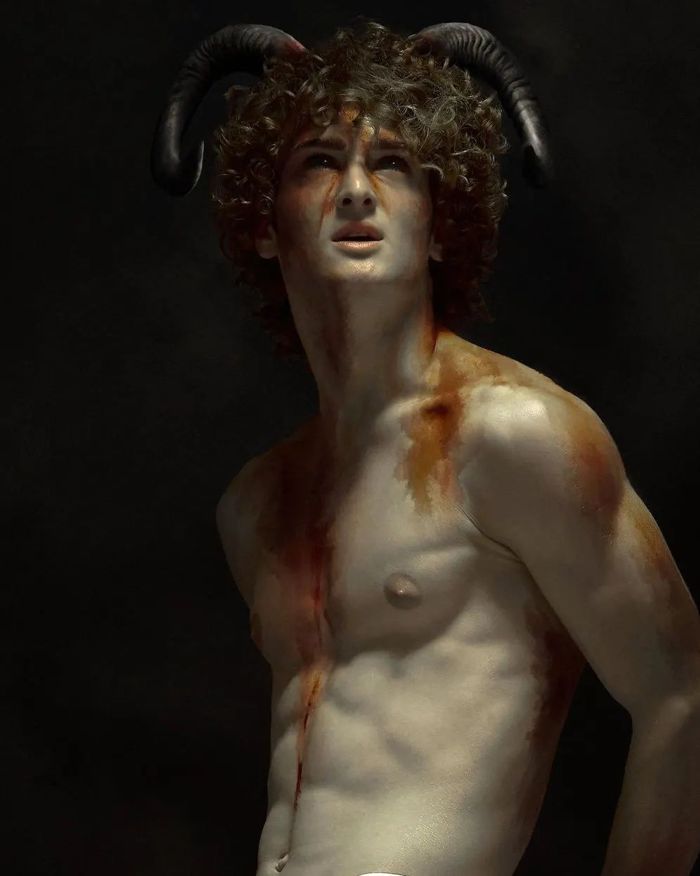
THE WORK
From the series of paintings on Lucifer, Condemned and Fallen.
Artist: Federico Ferro
Year: 1975, Genoa, Italy
Technique: Oils on canvas
Location: European Museum of Fine Arts, Brussels, Belgium