Las Sombras de las Giocondas
- Details
- Pinturas
- 2271



Art / Culture / Mythology / Cinema / Books
Select your language

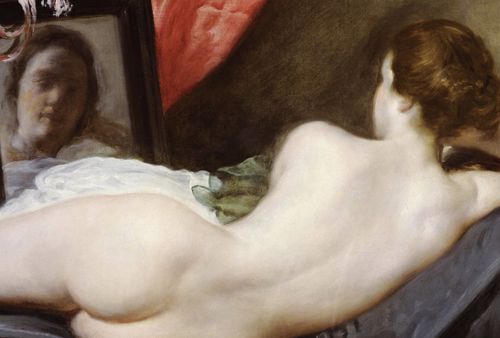
You've probably wondered what the two symbols that represent man and woman actually mean. Representing two planets, iron, copper and a pair of Olympian gods, the classic symbols for man and woman carry a lot of meaning in just a few lines.
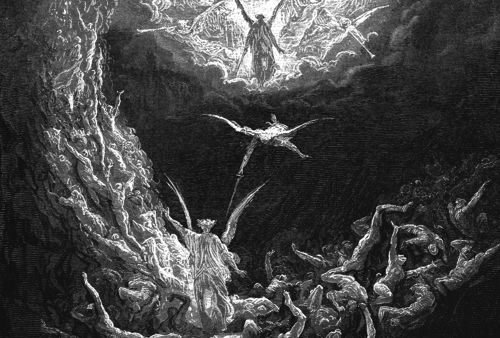
There are images from the Bible that seem to have existed forever: God creating the world among clouds and darkness, Adam and Eve in Paradise, the Flood, Moses descending from the mountain, David facing Goliath, angels announcing extraordinary events, Christ carrying the cross, and the overwhelming visions of the Apocalypse.
Read more … The Bible According to Gustave Doré: From Creation to the Apocalypse
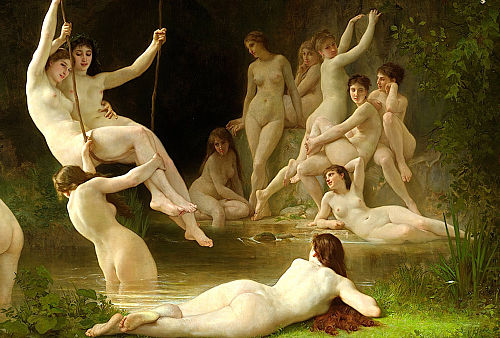
Long before the word "sanctuary" meant what it means to us today, the Greeks already had a sacred place devoted to water and to those who inhabited it. It wasn't just a beautiful space: it was the earthly home of minor divinities who, it was believed, could bless or punish anyone who dared disturb them. They were the nymphs, and the place where they were honored was called a nymphaeum.
Read more … Bouguereau's The Nymphaeum: The Sacred Grotto of the Nymphs
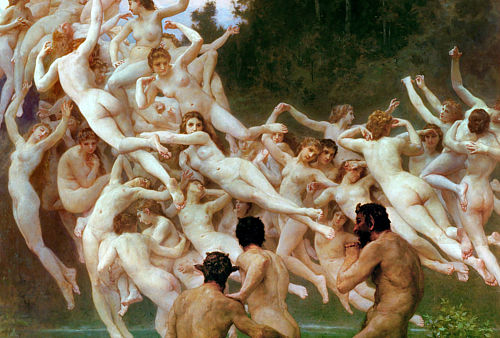
Before the first ray of sunlight touches the valleys, the peaks keep secrets that mortals rarely get to witness. To the ancient Greeks, mountains were never empty places: they could also be home to spirits of nature, eternally beautiful young women who embodied the wild beauty of the earth. They were the nymphs.
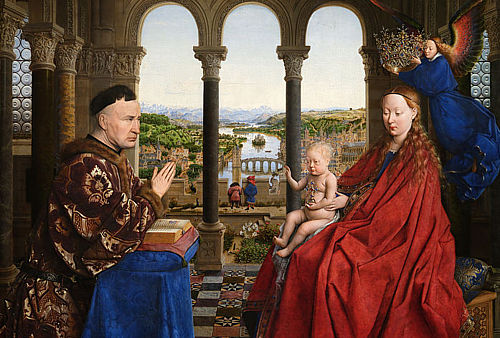
In 1435, a man who knew he was nearing the end of his life commissioned a painting. He didn't ask for an epic scene or an imposing portrait of his power. He asked for something more intimate: to appear kneeling, face to face with the Virgin Mary, as if that audience could be bought with enough money and enough faith.
Read more … The Virgin of Chancellor Rolin: The Mystery the Louvre Still Hasn't Solved
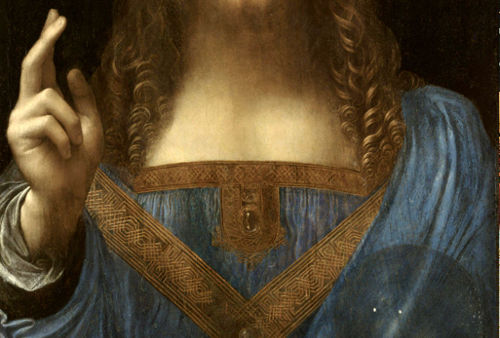
This is Christ holding a crystal sphere that seems to defy the laws of physics. It is called Salvator Mundi, the “Savior of the World.” At first glance it is a serene, almost hypnotic image, but a few minutes of observation are enough to discover that every detail hides an intention: the sphere, the hand, the face, the blue of the robe, the empty background. This painting does not merely show a sacred figure; it poses a riddle that continues to fascinate those who look at it closely.
Read more … The Impossible Mistake Da Vinci Hid in This Painting | Salvator Mundi
Page 1 of 14
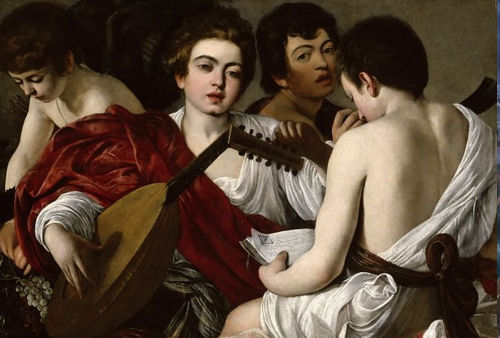
En el vibrante y tumultuoso mundo de la Roma de finales del siglo XVI, emergió un artista cuyo pincel no solo capturaba la luz y la sombra, sino el alma misma de la existencia humana. Michelangelo Merisi da...
Read more … Caravaggio, el Espejo Oculto y el Drama de la...
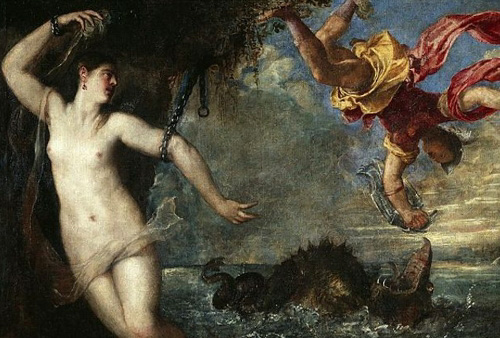
En el siglo II d.C., el astrónomo greco-egipcio Ptolomeo, compiló una lista de las 48 constelaciones conocidas en ese momento. Su tratado, conocido como el Almagest, sería utilizado por eruditos...
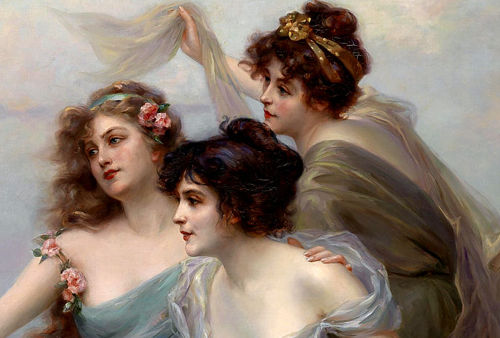
Gracias, del griego Charites, son un grupo de diosas de la fertilidad. El nombre se refiere a la apariencia “agradable” o “encantadora” de un campo o jardín fértil. El número de Gracias varió en...

Eurídice era una hermosa ninfa de Tracia. Un día, un joven llamado Orfeo que paseaba ocasionalmente por el lugar, la conoce y flash, ambos se enamoran. La relación avanza rápidamente, todo parece...
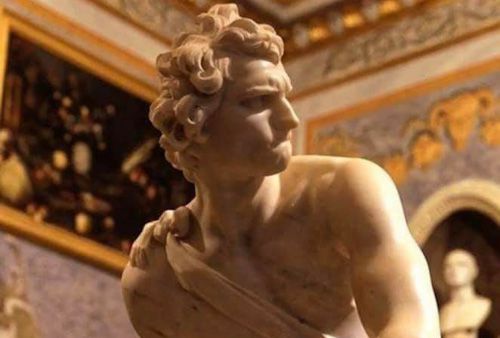


La tentación de la vestal, atribuida a Antonio Rossetti (1819-1889), es una escultura emblemática del siglo XIX que captura un momento cargado de dramatismo y simbolismo. Antonio Rossetti fue un...
Art Supplies / Oil Paints / Brushes / Watercolors / Canvases & Papers / Prints / Books / Gifts
Estamos ahi, igual que tu !


 Sumérgete en un viaje emocionante donde la creatividad y la belleza artística se fusionan para dar vida a narraciones atemporales que siguen cautivando al mundo moderno. Desentrañamos los secretos ocultos detrás de estas obras icónicas y te llevamos en un recorrido único por la intersección entre mitología y genialidad artística.¡Déjate inspirar por la riqueza cultural que perdura a través de los siglos !
