
Art / Culture / Mythology / Cinema / Books
Select your language


A young man, standing in a doorway, draws a young woman to steal a kiss from her... which she seems to have come looking for! The eroticism of stolen pleasure is the third party between two worlds. Two attitudes are expressed by the posture, the face of this young woman, divided between the attraction of forbidden fruit and respect for morality. “The Stolen Kiss” (Le Baiser à la dérobée) by Jean-Honoré Fragonard represents a frozen instant of furtive intimacy between two lovers.
Read more … The Stolen Kiss: Seduction, Secrecy, and the Veiled Eroticism of the Rococo

Hercules and Deianira undertook the challenge of crossing the Evenus River. However, Nessus, the centaur tasked with guiding them, had dark intentions. In a despicable act, Nessus first crossed with Hercules and his supplies, leaving Deianira alone on the opposite bank. Taking advantage of this opportunity, he attempted to kidnap and violate the defenseless woman.
Read more … Hercules and the Centaur Nessus: The Tragedy of Poisoned Love
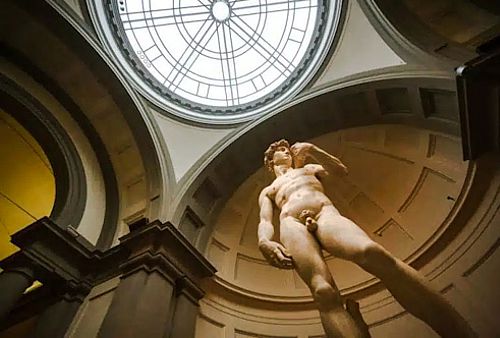
Perhaps you have once wondered about the reasons why the body of Michelangelo's David is disproportionate. Let's start by saying, although it's unnecessary, that if there is one master of sculpture in the history of art, it is Michelangelo Buonarroti. He knew perfectly well what to do to achieve perfection, but you must bear in mind that the David sculpture measures over 17 feet (5 meters) in height...
Read more … David by Michelangelo: The Wonderful Disproportion that Deceives the Eye
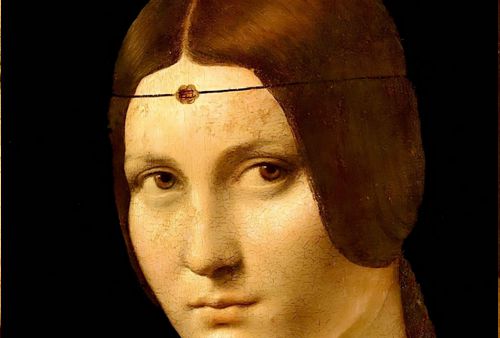
The Belle Ferronière is a painting by Leonardo da Vinci, painted in Milan between 1490 and 1499. The Belle (French for "the beautiful one") wears a ferronière, a narrow diadem with an attached jewel, which is worn centered on the forehead. The identity of La Belle is uncertain, but most art historians believe it is a portrait of the Milanese court lady Lucrezia Crivelli. The portrait is now housed in the Louvre Museum in Paris.
Read more … La Belle Ferronière: The Mystery of Leonardo da Vinci's Portrait
Page 14 of 15

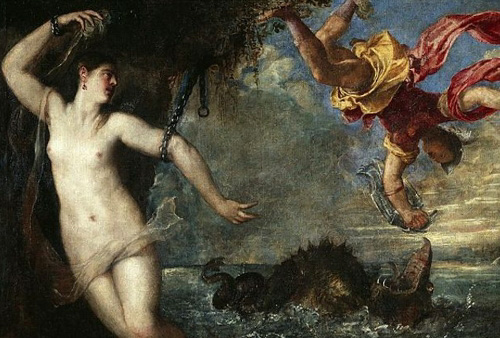
En el siglo II d.C., el astrónomo greco-egipcio Ptolomeo, compiló una lista de las 48 constelaciones conocidas en ese momento. Su tratado, conocido como el Almagest, sería utilizado por eruditos...
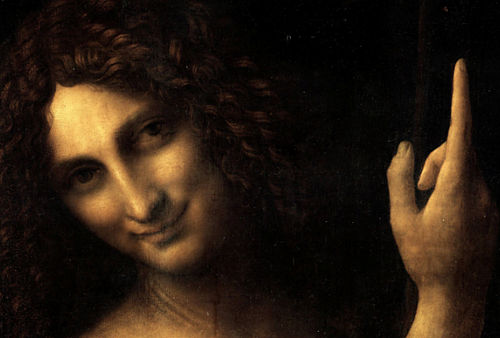
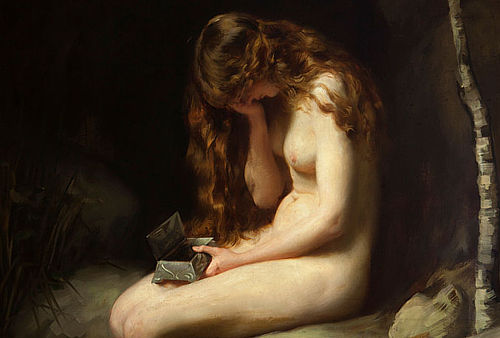
En los albores de la humanidad, cuando los dioses aún caminaban entre los mortales y el Olimpo regía el destino del mundo, nació una figura cuyo nombre sería recordado a través de los siglos:...

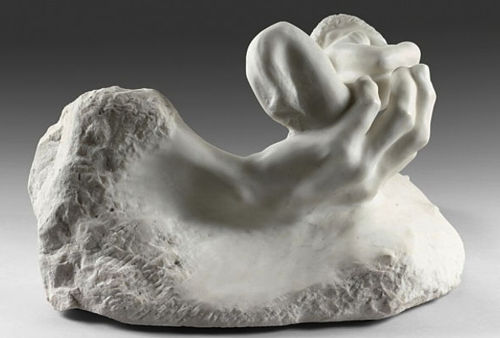
En el taller silencioso de Auguste Rodin, entre bloques de mármol y polvo raso, nació una idea que desafiaba las fronteras entre lo humano y lo divino. Esa idea tuvo forma: La Mano de Dios (The Hand...

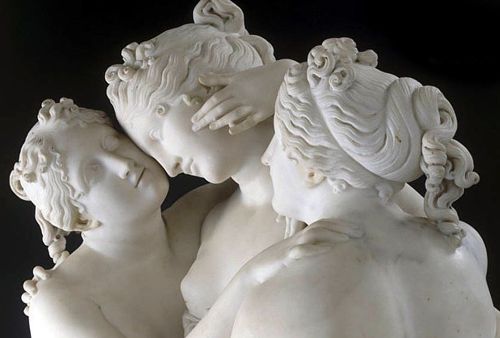
De los tiempos en que los dioses gobernaban desde el Olimpo, surge una historia tan épica como el mismo universo que habitaban. Esta es la leyenda de Psique y Eros, un cuento de amor, pasión,...
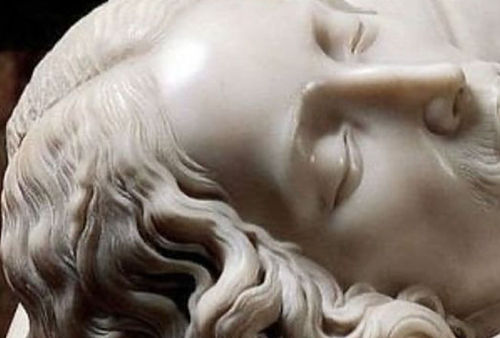
En el corazón del Renacimiento, cuando el arte y la ciencia se entrelazaban en una danza de redescubrimiento y creación, surgió una obra que encapsulaba la esencia del dolor y la divinidad en una...
Art Supplies / Oil Paints / Brushes / Watercolors / Canvases & Papers / Prints / Books / Gifts
Estamos ahi, igual que tu !


 Sumérgete en un viaje emocionante donde la creatividad y la belleza artística se fusionan para dar vida a narraciones atemporales que siguen cautivando al mundo moderno. Desentrañamos los secretos ocultos detrás de estas obras icónicas y te llevamos en un recorrido único por la intersección entre mitología y genialidad artística.¡Déjate inspirar por la riqueza cultural que perdura a través de los siglos !