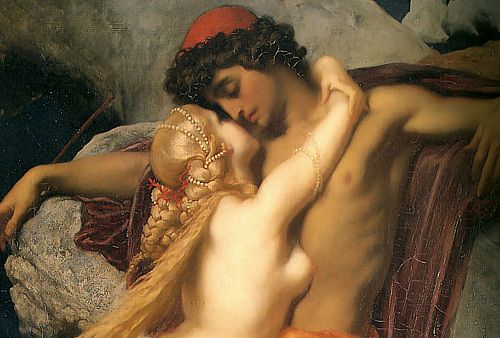
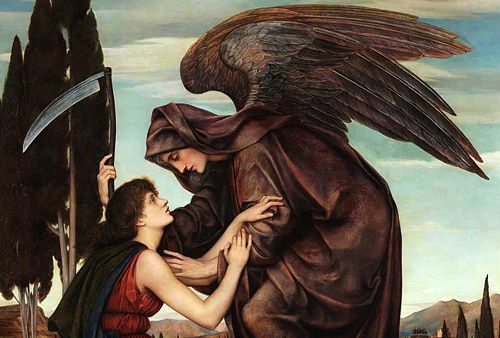
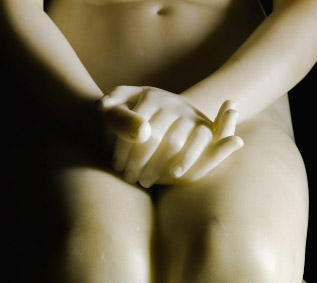
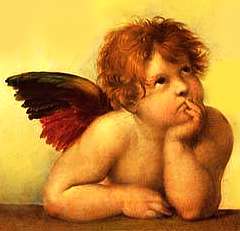
In the heart of the ocean, where the sunlight surrenders to the dominion of the deep blue, the young fisherman feels the cold, damp touch of the syren. Her fingers slide across his skin with a deceptive, almost electric softness, while he ignores the fatal destiny looming over his head. He is lost, absolutely hypnotized by the spell of eyes that do not belong to this world. Time seems to stop in an eternal sigh as she wraps him in one last embrace; her lips, so close to his, whisper promises of love and submerged kingdoms that will never be fulfilled. In that single, fatal moment, his humanity begins to dissolve into the absolute abyss.
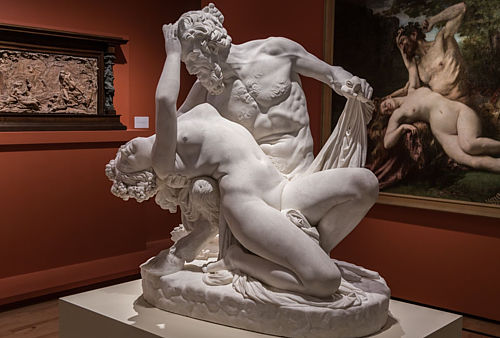
Within classical mythology, there are two figures that often inhabit the same shadowy forests and the same wild legends, yet we frequently confuse them as if they were the same being. We are talking about the faun and the satyr. Although both are closely linked to the cult of Dionysus, the god of wine and ecstasy, their origins and natures hide fundamental differences that define how art has portrayed them throughout the centuries. Today, we will explore these differences through one of the most controversial works in the history of sculpture: James Pradier’s Satyr and Bacchante.
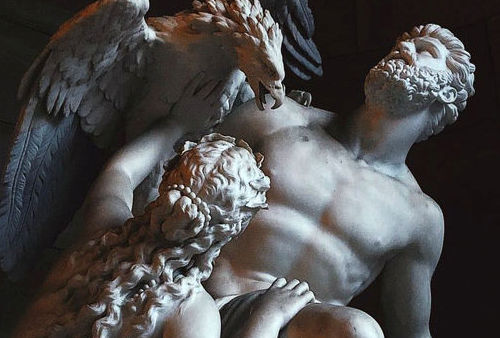
I speak to you from the threshold of Olympus, from that fuzzy boundary where the light of the gods meets the shadow of mortals. I am Prometheus, the Titan who refused to remain silent in the face of injustice, the rebel who chose eternal punishment rather than see humanity mired in servitude. Today, I want you to hear the truth about the fire I placed in your hands and, above all, why the gods of Olympus tremble at the simple glow of a torch in the night.
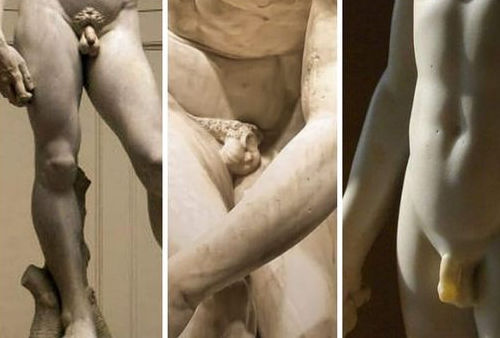
Size matters. This is a deeply rooted belief in modern times and contemporary culture, where physical vigor, overflowing virility, and power are often associated with magnitude. We live in an era of hyperbole, where big automatically translates to better. However, this concept was radically opposite for the ancient Greeks, the very people who laid the foundations of our civilization, our politics, and, of course, our concept of beauty. In classical Greek art, most traits of a great man —a hero, a titan, a god, a warrior— were represented as developed, firm, and harmonious, from their muscular torsos to their serene features. So, why weren't these same aesthetic principles applied to their genitals?
Zeus, the sovereign of Mount Olympus, the one who wields the thunderbolt and rules the sky, was the most powerful god, but also the most prolific. His insatiable appetite for love—whether with goddesses, nymphs, or mortal women—made him the father of a vast progeny. This is not a simple biographical detail; Zeus's offspring is, in essence, the structure upon which all mythology, theater, and art of Western civilization are based. Each of his children, whether Olympian gods or mortal heroes, represents a fundamental facet of human and divine existence.
Hades, called Pluto by the Romans, was the god of the Greek underworld, the land of the dead in Greek and Roman mythology. While some modern religions view the underworld as hell and its ruler as the embodiment of evil, the Greeks and Romans saw the underworld as a place of inescapable darkness. Though hidden from daylight and the living, Hades himself was not evil. Instead, he was the guardian of the laws of death, a somber but rigorously just sovereign.
Venus para los Romanos y Afrodita para los griegos, es una de las figuras mitológicas más importantes. Nacida antes de que los olímpicos gobernaran como ya se describió en el mito "Nacimiento de Venus"...
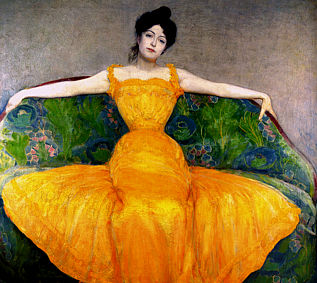
Max Kurzweil , fue un pintor y grabador austríaco (nació en Bisenz -en alemán-, localidad que ahora es conocida como Bzenec y pertenece a la República Checa). Él y su familia se trasladaron a Viena...
Hay infinidad de obras que se inspiraron en viejas leyendas, leyendas que para fines comerciales, fueron podadas de tal forma que casi no se reconocen, es el caso de Cenicienta. La verdadera...
En la mitología griega, Tartarus no era un simple lugar de castigo; era un abismo insondable, un vacío donde el tiempo se doblaba y la luz no encontraba camino. Allí, los pecadores no solo pagaban por...
Era una época de héroes y monstruos, de dioses caprichosos que jugaban con las vidas de los mortales como si fueran peones en un tablero cósmico. Yo era un guerrero, un hombre de coraje y fuerza,...
En su viaje a través del Infierno, Dante Alighieri, guiado por el poeta romano Virgilio, se adentró en las profundidades de los reinos infernales. Cada círculo del Infierno revelaba un nuevo y...
El nuevo telescopio James Webb nos ha abierto los ojos completamente al infinito. Un incalculable universo con millones de cúmulos, que a su vez contenten millones de galaxias y estas millones de...
Confianza en Dios es, por mucho, la obra más conocida de Bartolini, emblemática de la escultura italiana de la generación posterior a Canova". Las representaciones de Venus y otros personajes que...
Sumérgete en un viaje emocionante donde la creatividad y la belleza artística se fusionan para dar vida a narraciones atemporales que siguen cautivando al mundo moderno. Desentrañamos los secretos ocultos detrás de estas obras icónicas y te llevamos en un recorrido único por la intersección entre mitología y genialidad artística.¡Déjate inspirar por la riqueza cultural que perdura a través de los siglos !