
Select your language

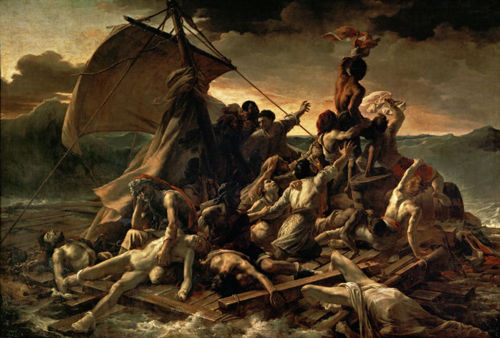
Despair is everywhere. The sea devours them. A small raft trembles beneath broken waves. A man clings on, his eyes wide with fear. A mother holds her child tightly. One arm still reaches out. This is not a fictional scene. It is the central image of one of the most brutal and modern paintings of the 19th century: The Raft of the Medusa, by Théodore Géricault. A work that does not merely depict a shipwreck, but political failure, the incompetence of power, and the extreme fragility of human beings when civilization disappears.
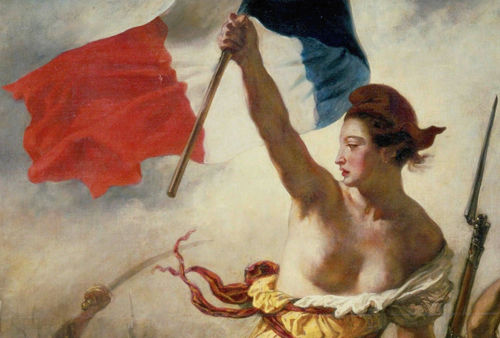
Do you really think social media invented the need to "clean up one's image" after a mistake? Of course not! In 1830, Eugène Delacroix faced a moral dilemma that would haunt him for years, and his response was to paint the most monumental and symbolic work in French history. Liberty Leading the People is not just a painting about a revolution; it is the testimony of a man who, not daring to wield a rifle, decided that his brush would be his only bayonet. Life is Art, but sometimes, art is the only way we have to sleep peacefully.
Read more … Liberty Leading the People: An Artist's Cry for Forgiveness

Lady Godiva is a painting from 1897 by the English artist John Collier, a prominent member of the late Pre-Raphaelite circle. The scene depicted — the famous nude ride of the Saxon noblewoman through the streets of Coventry — belongs to one of the most enduring medieval legends in England. For nearly a thousand years, the story has been told, modified, and reinterpreted, blending documented facts with symbolic, religious, and political elements that reflect the social tensions of feudal England.
Read more … Lady Godiva's March: Between Devotion and Protest

The story of Lady Godiva is one of the most well-known medieval legends of England, yet behind the popular narrative lies a complex historical framework that raises fundamental questions about female power, the interpretation of medieval sources, and the way symbolic narratives gradually transform into apparently historical facts.
Read more … The flip side of Lady Godiva: Not everything is black and white
Page 7 of 15
Estamos ahi, igual que tu !


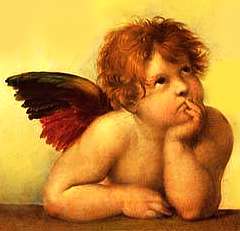 Sumérgete en un viaje emocionante donde la creatividad y la belleza artística se fusionan para dar vida a narraciones atemporales que siguen cautivando al mundo moderno. Desentrañamos los secretos ocultos detrás de estas obras icónicas y te llevamos en un recorrido único por la intersección entre mitología y genialidad artística.¡Déjate inspirar por la riqueza cultural que perdura a través de los siglos !