
Select your language

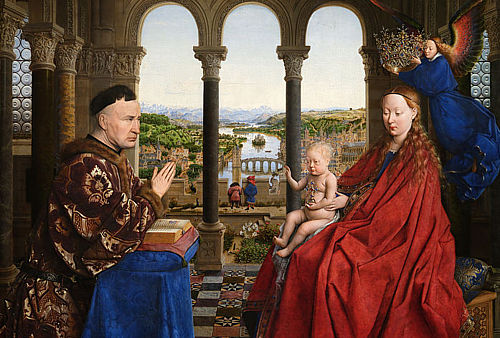
In 1435, a man who knew he was nearing the end of his life commissioned a painting. He didn't ask for an epic scene or an imposing portrait of his power. He asked for something more intimate: to appear kneeling, face to face with the Virgin Mary, as if that audience could be bought with enough money and enough faith.
Read more … The Virgin of Chancellor Rolin: The Mystery the Louvre Still Hasn't Solved
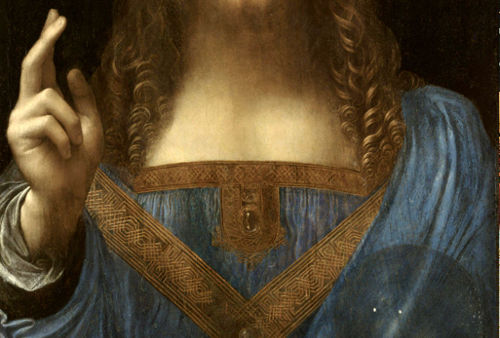
This is Christ holding a crystal sphere that seems to defy the laws of physics. It is called Salvator Mundi, the “Savior of the World.” At first glance it is a serene, almost hypnotic image, but a few minutes of observation are enough to discover that every detail hides an intention: the sphere, the hand, the face, the blue of the robe, the empty background. This painting does not merely show a sacred figure; it poses a riddle that continues to fascinate those who look at it closely.
Read more … The Impossible Mistake Da Vinci Hid in This Painting | Salvator Mundi
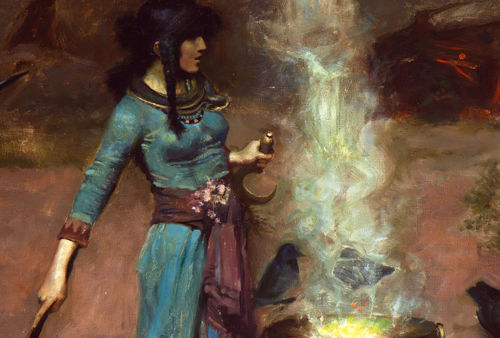
The Magic Circle is one of the most evocative and mysterious works by English painter John William Waterhouse, created in 1886. Waterhouse, known for his fondness for mythological and classical literary themes, captures a scene steeped in mysticism and enchantment that has intrigued and fascinated audiences since it was first shown.
Waterhouse painted The Magic Circle at a time when the Pre-Raphaelite movement, which had inspired him, had already given way to newer forms of artistic expression.
Read more … The Magic Circle | The Hidden Ritual Waterhouse Concealed
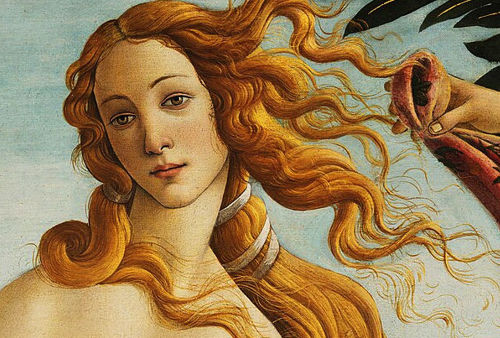
Venus had no mother. She was born of the sea, from the foam that formed when Cronus threw the remains of his father Uranus into the ocean. From that mixture of water, foam, and divinity, Aphrodite emerged — the goddess the Romans would later call Venus. Sandro Botticelli chose to paint exactly that instant: the moment a newborn goddess first sets foot in the world of men.
Read more … The Birth of Venus | The Myth Botticelli Transformed into Beauty
Page 2 of 15
Estamos ahi, igual que tu !


 Sumérgete en un viaje emocionante donde la creatividad y la belleza artística se fusionan para dar vida a narraciones atemporales que siguen cautivando al mundo moderno. Desentrañamos los secretos ocultos detrás de estas obras icónicas y te llevamos en un recorrido único por la intersección entre mitología y genialidad artística.¡Déjate inspirar por la riqueza cultural que perdura a través de los siglos !