
Select your language

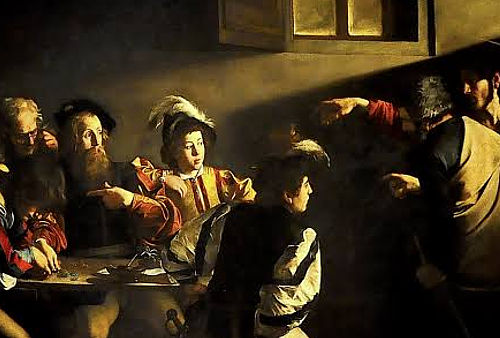
There is something quite curious about this painting. At first glance, nothing extraordinary seems to be happening: a group of men seated around a table, counting money, writing, absorbed in their coins. And then, from the right, two men enter. One of them raises his hand and points. That's all. But that gesture, a single instant frozen forever, is the center of one of the most revolutionary works in the history of Western art.
Read more … The Hand That Changed His Destiny | The Calling of Saint Matthew - Caravaggio
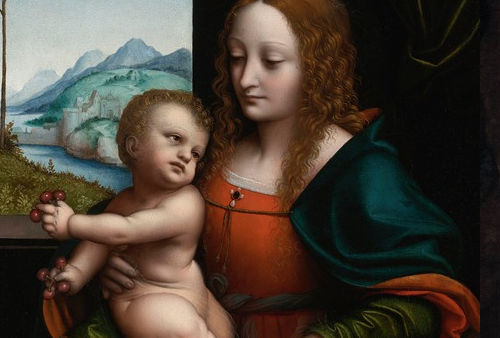
There are paintings that, at first glance, seem to have come straight out of Leonardo da Vinci's workshop. The same oval faces, the same light emerging from shadow, that almost hypnotic stillness in the gestures. Yet many of these works were not painted by Leonardo, but by an artist who worked alongside him and whom art history remembers by a curious name: Giampietrino. His is the story of someone who learned from the most influential genius of his time and who, precisely because of that, spent centuries living in his shadow.
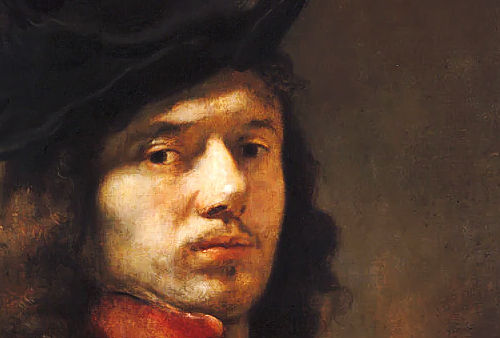
Some painters change everything. And some painters change everything in silence. Johannes Vermeer belongs to the second group. He founded no movement. He left no manifestos. He had no known disciples. He painted 34 pictures, perhaps 37, nobody is entirely sure, and disappeared from history for almost two centuries. When the world rediscovered him in the 19th century, it was like opening a door that had been closed too long. On the other side was light. A light nobody has been able to fully explain.
Read more … Johannes Vermeer | The origin of a light that no one has been able to explain
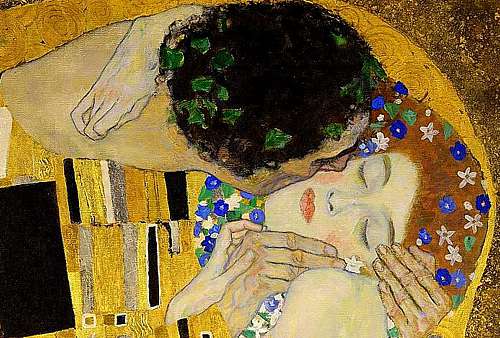
The Kiss is an oil painting with added gold and silver leaf by the Austrian Symbolist painter Gustav Klimt. Its German title, Liebespaar, means: Lovers. It is considered a masterpiece of the early modern period, an icon of Jugendstil — Viennese Art Nouveau — and is regarded as Klimt’s most popular work.
Read more … Not the kiss she waited for. His decision. | Gustav Klimt's The Kiss
Page 6 of 15
Estamos ahi, igual que tu !


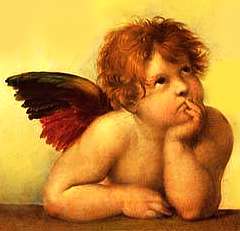 Sumérgete en un viaje emocionante donde la creatividad y la belleza artística se fusionan para dar vida a narraciones atemporales que siguen cautivando al mundo moderno. Desentrañamos los secretos ocultos detrás de estas obras icónicas y te llevamos en un recorrido único por la intersección entre mitología y genialidad artística.¡Déjate inspirar por la riqueza cultural que perdura a través de los siglos !